Heritage and listed building surveys, conservation-sensitive
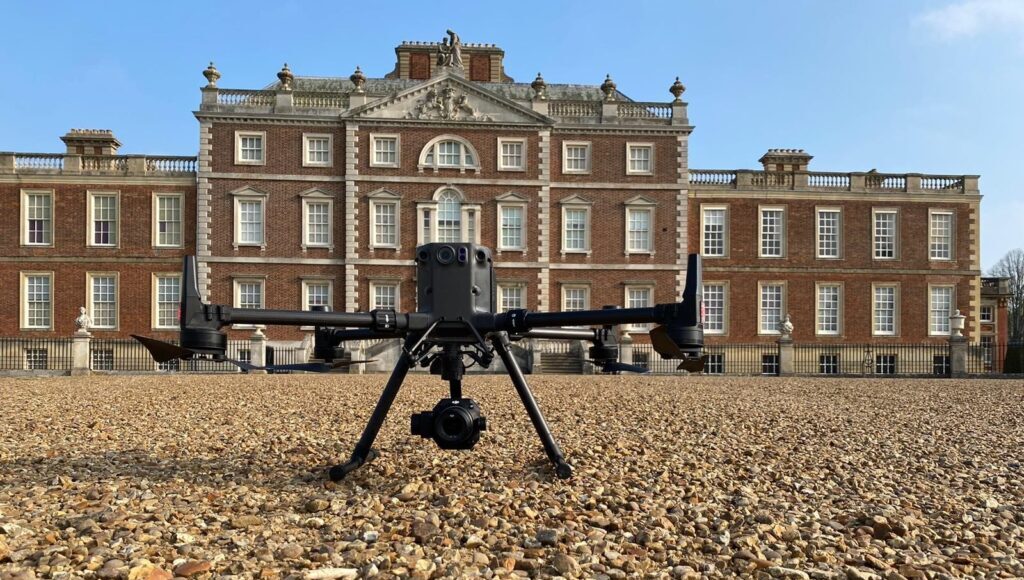
Survey Solutions delivers conservation-sensitive survey for publicly and charitably owned heritage assets, and the record is proven by name. Heritage estates are owned by museums, trusts and councils, and every intervention has to respect listed-building and conservation constraints from the very first visit. We have surveyed the Natural History Museum, Oxburgh Hall for the National Trust, Norwich Castle, the Horniman Museum and Tower Bridge.
Heritage survey for the Natural History Museum and the National Trust
The Natural History Museum, Oxburgh Hall for the National Trust, and Norwich Castle are among the institutions that define the heritage sector in this country, and each one of them has trusted us with survey on a building that simply cannot be replaced.
Laser scanning and access planned around conservation constraints
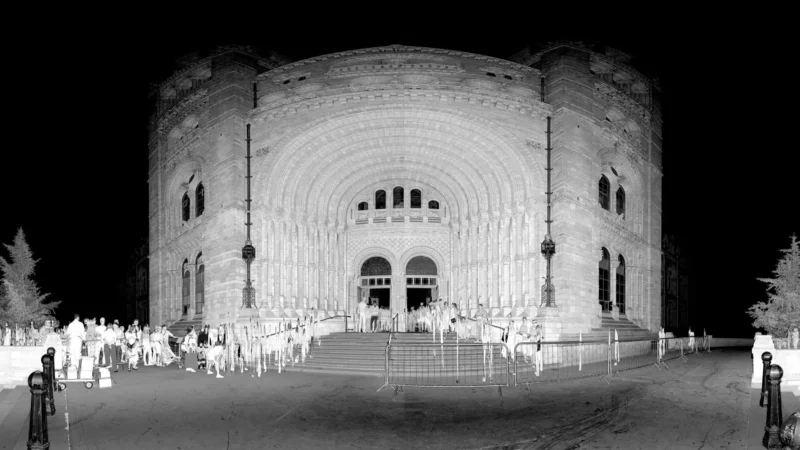
Access and methodology are planned around listed-building and conservation sensitivity from the first conversation onwards. We use non-contact laser scanning where the fabric is fragile, we agree access routes well in advance, and we bring a survey team that understands why the conservation officer is in the room.
Institutional heritage clients, not private-commercial conversions
Our delivery evidence sits with national heritage bodies and museum trusts instead of with private developers repurposing old buildings. The Horniman Museum and Tower Bridge extend the record further, and Rooff Construction, a specialist heritage-conservation contractor, commissions us directly for its own conservation work.
Engineering Surveys
We deliver detailed topographical, boundary, and structural data, enabling precise planning and design. This information ensures construction activities align with design specifications, de-risking historical features and supporting restoration and maintenance.
Land Surveys
Topographical mapping identifies the terrain and surrounding context of heritage sites, helping protect the landscape. These surveys ensure any development respects the site’s heritage and environmental significance.
Underground Utility Surveys
Utility mapping locates underground infrastructure like pipes, tunnels, and foundations, reducing risks of damage during excavation. This data supports safe and efficient restoration and upgrades while preserving the historical context.
Structural Monitoring
We provide ongoing monitoring to assess stability during and after restoration. Early detection of issues ensures timely interventions, mitigating risks to safety and the building’s integrity. Structural monitoring also supports long-term maintenance planning.
Environmental Monitoring
Our environmental surveys assess the ecological impact of restoration projects. By monitoring ecosystems and ensuring compliance with regulations, we help preserve the surroundings while managing assets sustainably.
Measured Building Surveys
Accurate records of dimensions, layouts, and structural features are essential. Our measured surveys provide data critical to maintaining historical accuracy while meeting modern safety standards.
Digital Twins and BIM Models
We use advanced digital technologies to create detailed 3D representations of heritage buildings. These models support the lifecycle of a project, from design to maintenance, ensuring seamless integration of all structural, utility, and environmental factors.
Certifications and Accreditations
Our services align with industry standards, including ISO certifications. Compliance with BIM Level 2 standards ensures seamless integration with modern digital construction practices.
Our heritage building surveys offer comprehensive insights to restore and maintain significant properties while ensuring safety, regulatory compliance, and sustainability. These services are tailored to protect the value and integrity of heritage assets for generations to come.
Our Latest Heritage Projects
Heritage FAQ’s
To capture accurate existing conditions for restoration, refurbishment, conservation planning, and long-term asset records—while minimising risk to sensitive structures.
Yes, heritage projects typically favour non-intrusive capture methods and careful access planning to protect fabric and finishes.
Commonly detailed measured building outputs (plans/elevations/sections) and 3D datasets where required for design and coordination.
Yes, we can plan surveys around opening times, restricted rooms, and safety constraints to keep disruption low.
Building location, scope/areas, required outputs (2D/3D), access restrictions, and any conservation sensitivities we should account for.