Grade II Buildings: What Surveys Are Needed?
Published on
By James Wyllie
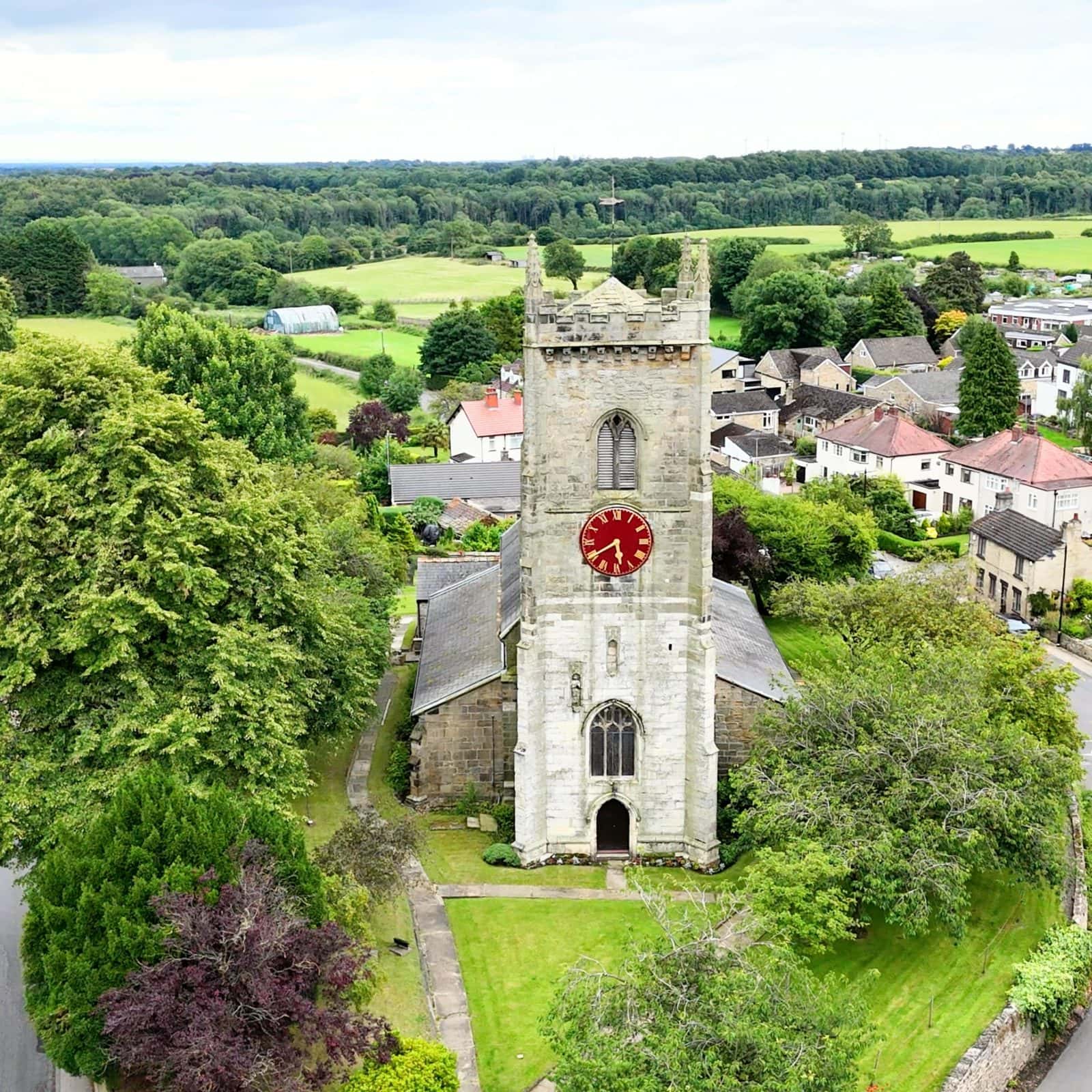
When people think about “listed buildings,” they often picture a handful of grand landmarks. In reality, the vast majority of listed buildings are Grade II. Historic England notes that nearly 92% of listed buildings fall into this category. These buildings can sit at the heart of towns and villages: homes, pubs, schools, halls, and a huge number of historic places of worship. To keep them at the heart of these communities they need care, attention and maintenance.
When people think about “listed buildings,” they often picture a handful of grand landmarks. In reality, the vast majority of listed buildings are Grade II. Historic England notes that nearly 92% of listed buildings fall into this category. These buildings can sit at the heart of towns and villages: homes, pubs, schools, halls, and a huge number of historic places of worship. To keep them at the heart of these communities they need care, attention and maintenance.
How many Grade II listed buildings are there?
England has 379,443 listed building entries (2024) on the National Heritage List for England.
- Nearly 92% of those are Grade II. That is roughly 349,000 entries.
- There are over 16,000 listed places of worship included within the national list.
- In a survey of worshippers, 88% agreed their listed place of worship contributed to community spirit.
Are Grade II listed buildings at risk?
Alongside pride and attachment comes a hard truth: maintenance costs are rising, repair backlogs are growing, and many sites are struggling to keep up.
Heritage at risk reporting highlights that:
- 985 places of worship are recorded as at risk in England, including 976 churches, chapels, meeting houses and cathedrals.
- In the same reporting year, 57 were added and 37 removed, showing the list is growing and overall scale is still high.
For local communities, that can mean losing a building that functions as a gathering point, landmark, venue, and often a safety net for other services.
What is the funding for these buildings?
The good news is that there is funding available that can directly support repair and conservation work, especially for listed places of worship.
One of the most relevant routes is the Listed Places of Worship Grant Scheme:
- The scheme was extended into 2026 with £23 million of funding.
- A £25,000 annual cap now applies per place of worship or organisation.
- Since 2010, the scheme has awarded nearly £350 million in total.
- It supports roughly 7,000 applications a year, and 70% of claims are for under £5,000.
A live tracker has shown the remaining budget as £2.83 million in February 2026, with additional amounts used and in progress.
There are also complementary routes in the ecosystem, including National Lottery Heritage Fund support for places of worship and specialist bodies that help keep historic churches open and safe. The key point for a building owner is this: funding is possible, but it is competitive, capped, and time bound. Getting your survey information right early makes everything easier down the line.
What services do Grade II listed buildings typically need?
Most projects fail for predictable reasons: incomplete information, unclear scope, or surveys that do not match the conservation reality of the building. The most common needs fall into six practical buckets.
1) Baseline measured surveys
You need accurate drawings to plan repairs, extensions, reordering, access improvements, and compliance upgrades. This is especially relevant when the building has evolved over centuries.
Typical outputs:
- Measured floor plans, elevations, and section drawings
- Reflected ceiling plans where relevant
- Roof geometry and junction details for repair design
2) Roof and high level inspections
Churches and older civic buildings often fail first at rainwater goods, roofs, parapets, and tower elements. Early inspection reduces emergency spend.
Typical outputs:
- High level condition observations
- Drone survey imagery to showcase defects
- Photo records suitable for consultants and funders
3) Condition surveys and repair scopes
A fundable project is usually a scoped project. That means clear, evidenced condition findings linked to a sensible package of works.
Typical outputs:
- Condition survey reports with photo logs
- Repair recommendations prioritised by risk and impact
- Measured sketches and annotated drawings to support tendering
4) Digital survey deliverables for long term management
A big shift we are seeing is moving from one off drawings to long term asset information, especially where volunteers or rotating committees are involved.
Typical outputs:
- Survey data structured for asset registers
- 2D and 3D information that supports phased maintenance planning
- Records that survive handovers and changing roles
5) Pre application clarity and stakeholder alignment
Many delays come from discovering problems after you have already started talking to the local authority, insurers, or funders. A short, targeted survey phase can bring alignment early.
Typical outputs:
- Options ready drawings
- Simple phasing plans
- Evidence packs that reduce rework
Where Survey Solutions support Grade II listed buildings
Survey Solutions supports teams working with Grade II listed buildings and historic places of worship by making the survey stage faster, clearer, and more usable for the next step, whether that is design, permissions, fundraising, or tendering.
Our focus is simple:
- Right survey, right level of detail: not over-scoped, not under-done
- Heritage aware outputs: respectful of historic fabric and future approvals
- Funding friendly clarity: evidence and documentation that supports costed scopes
- Practical deliverables: drawings and records that teams can actually use and maintain
If you’re applying for funding with caps like £25,000 per year, or building a repair plan around multiple smaller claims, the quality of your survey information can be the difference between a smooth project and an expensive restart.
If you’re planning repairs, scoping works, or exploring funding, start with surveys that are clear, credible, and built for heritage projects. If you want to talk through a specific site, Survey Solutions is happy to help.