Improving Patient Safety in Hospitals with Noise, Dust and Vibration Monitoring
Published on
By Toni Abrahams
In hospital environments, maintaining safety, compliance, and patient wellbeing is critical. While clinical care is always the primary focus, environmental factors such as noise, dust, and vibration can have a direct impact on patient outcomes, staff performance, and operational continuity. This is particularly relevant during construction, refurbishment, or maintenance works, where disruption must be carefully managed. Implementing effective monitoring solutions allows healthcare providers to maintain control over these risks while ensuring high standards of care are consistently upheld.
Understanding Environmental Risks in Hospitals
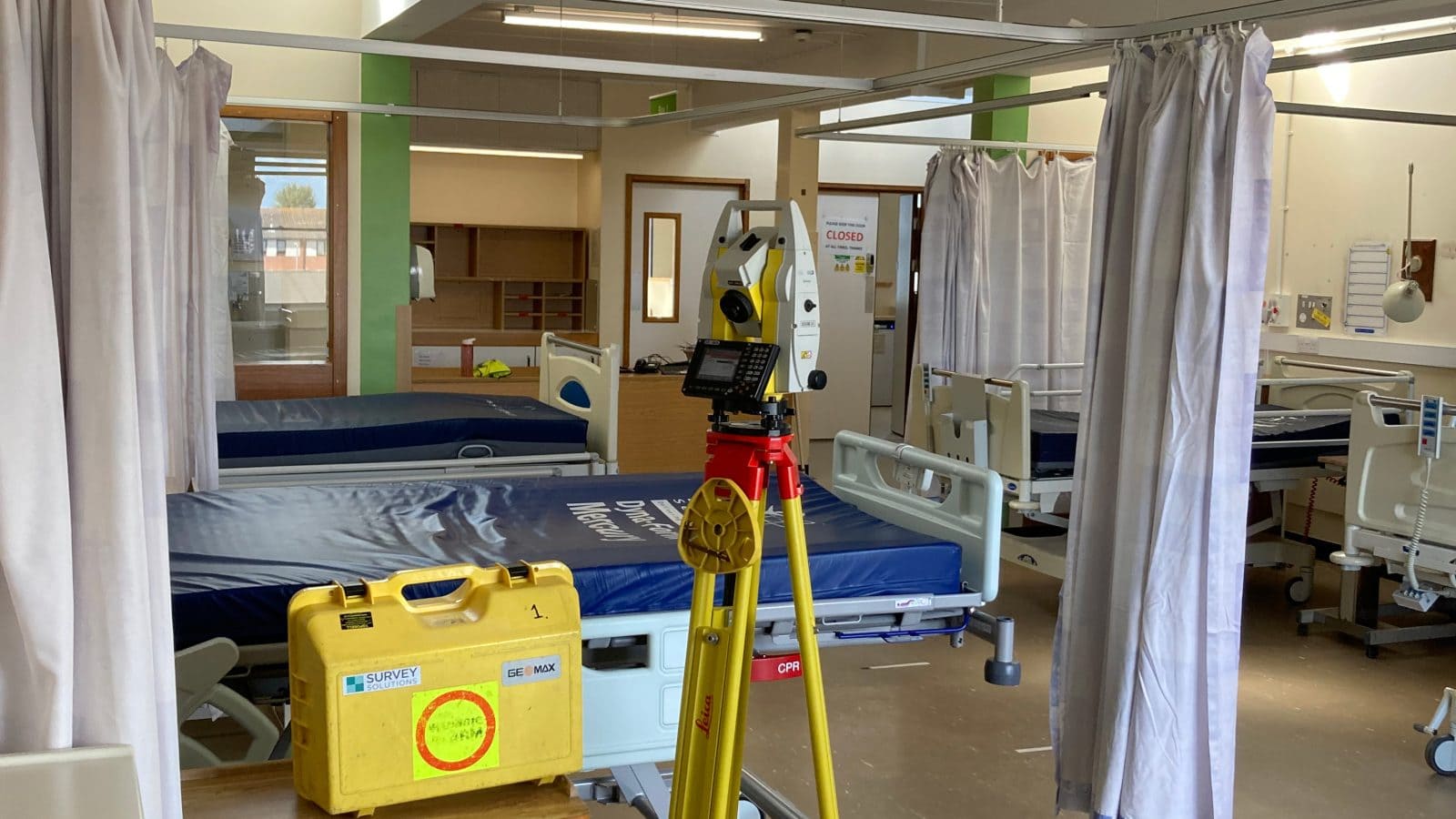
As hospitals operate continuously, upgrades and maintenance works must run alongside day-to-day clinical activity. These works can introduce elevated noise levels, airborne dust, and structural vibrations, all of which can negatively affect both patients and staff if not properly managed. Without visibility and control, these factors can disrupt recovery, compromise sensitive procedures, and create challenges in meeting regulatory requirements.
The Importance of Noise Monitoring
Managing noise levels is essential in creating an environment conducive to healing and effective clinical work. Excessive noise can disturb patients, particularly those in recovery or critical care, by interrupting sleep and increasing stress levels. It can also impact communication between staff, potentially affecting efficiency and decision-making. By implementing continuous noise monitoring, hospitals gain real-time insight into acoustic conditions, enabling them to identify problem areas, ensure compliance with recognised standards, and respond quickly when thresholds are exceeded. This allows for better planning of disruptive works and helps maintain a calm and controlled environment.
Dust Monitoring and Infection Control
Air quality is a key consideration in healthcare settings, particularly where vulnerable patients are present. Construction and maintenance activities can release fine dust particles that may carry harmful contaminants, including bacterial and fungal spores. This presents a significant infection control risk, especially in critical areas such as operating theatres and intensive care units. Real-time dust monitoring provides immediate visibility of particulate levels, enabling rapid intervention if limits are exceeded. It also supports validation of control measures such as containment systems and negative pressure environments, helping organisations demonstrate compliance with infection prevention protocols and safeguard patient health.
The Role of Vibration Monitoring
Hospitals depend on highly sensitive equipment and stable infrastructure to deliver accurate diagnostics and effective treatment. Vibration generated by nearby works can interfere with medical equipment, disrupt procedures, and cause discomfort to patients. Over time, it may also impact the integrity of building structures. Vibration monitoring provides continuous data on movement levels, allowing facilities teams to identify potential risks early and take corrective action. This ensures that critical services remain unaffected and that both equipment and infrastructure are protected.
Integrated Monitoring for Better Outcomes
Bringing noise, dust, and vibration monitoring together within a single system offers significant advantages. A unified approach provides centralised visibility, comprehensive real-time reporting, and customisable SMS and email alerts if triggers are breached, enabling faster and more informed decision-making. For healthcare providers, this means greater control, improved compliance, and reduced disruption during essential works.
Best Practices for Implementation
Noise, dust, and vibration may not always be visible risks, but their impact on hospital environments is significant. By investing in robust monitoring programmes, healthcare organisations can take a proactive approach to managing these challenges. This not only protects patients and staff but also ensures that operations continue smoothly, even during periods of change. Ultimately, effective environmental monitoring is a key part of delivering safe, compliant, and high-quality healthcare services.
Successful implementation of monitoring solutions requires careful planning. Sensors should be strategically placed in high-risk and sensitive areas, with thresholds aligned to clinical requirements and regulatory standards. Close coordination with contractors ensures that monitoring is aligned with project activities, while real-time data access enables rapid response to any issues. Maintaining clear records and audit trails also supports compliance and provides assurance to stakeholders.
Take the Next Step
If you’re planning works within a healthcare environment, it is important to understand the impact of noise, dust, and vibration. To learn more, get in touch to book a meeting or CPD with our Monitoring Manager to explore how monitoring can help you maintain safe, compliant, and patient-focused environments.
CPD request
"*" indicates required fields